In the realm of genetic disorders, the intersection of various syndromes can yield complex clinical presentations that challenge both diagnosis and management. This article delves into an intriguing case report published in Cureus, detailing a patient with Möbius Syndrome, a rare neurological condition characterized by facial paralysis and ocular abnormalities, who also exhibits symptoms suggestive of Poland Syndrome, which affects the development of chest muscles and can lead to unilateral body asymmetry. the convergence of these two syndromes raises critical questions about their genetic interplay and potential shared etiological factors. By exploring this unique case, the report sheds light on the broader implications for clinicians in recognizing multifaceted syndromic presentations, advancing our understanding of these rare disorders, and improving patient care.Through careful analysis and discussion, this case serves as a vital contribution to the medical literature, emphasizing the need for a multidisciplinary approach in diagnosing and managing complex genetic conditions.
Understanding Möbius Syndrome and Its Clinical Features
Möbius syndrome is a rare congenital condition primarily characterized by unilateral or bilateral facial paralysis resulting from the agenesis or aplasia of the sixth and seventh cranial nerves. The clinical manifestations can vary widely, but they often include facial muscle weakness, eye movement disturbances, and total or partial absence of facial expression. Other associated features may include cleft palate, limb abnormalities, and hearing deficits. Understanding these symptoms is crucial for early diagnosis and family counseling,especially in cases where the syndrome may overlap with other congenital disorders such as Poland syndrome,which involves unilateral chest wall malformations and hypoplasia of the pectoralis muscle.
The interplay of Möbius syndrome with Poland syndrome can complicate the clinical picture,potentially leading to misdiagnosis or delays in intervention. Health professionals should be vigilant in assessing additional features such as hand anomalies,scoliosis,and breast or nipple hypoplasia in affected individuals. A systematic approach to diagnosis includes a thorough clinical evaluation and possibly imaging studies when needed. By recognizing the broader spectrum of signs and symptoms associated with Möbius syndrome, particularly in cases with Poland syndrome characteristics, practitioners can tailor management strategies that optimize functional outcomes and enhance the quality of life for affected patients.
Exploring the Overlap Between Möbius Syndrome and Poland Syndrome
Möbius Syndrome and Poland Syndrome are two rare congenital conditions that, while distinct, exhibit overlapping features which can complicate diagnosis. Möbius Syndrome is primarily characterized by facial paralysis due to the underdevelopment of cranial nerves, specifically the sixth and seventh nerves.Common manifestations include bilateral facial paralysis, impaired eye movements, and difficulty with oral motor functions. In contrast, Poland Syndrome is defined by the hypoplasia or absence of chest muscles on one side of the body, often accompanied by congenital limb deficiencies. Both syndromes can present challenges in clinical assessment due to their multifactorial nature, prompting a need for a comprehensive understanding of their intersections.
Recent case studies highlight instances where individuals may have features of both conditions, underscoring the necessity for careful clinical evaluation.This overlap can manifest as muscle weakness in the upper limb alongside facial paralysis, raising questions about shared pathways in neuronal and muscular development. Factors linked to these syndromes could include genetic predispositions, environmental influences, and embryological development anomalies. further exploration into the connections between these syndromes could enhance diagnostic accuracy and treatment protocols, ultimately improving quality of life for affected individuals.
Case presentation: A Unique Patient Experience

The patient, a 7-year-old boy, presented with a complex array of symptoms consistent with Möbius syndrome, coupled with features suggestive of Poland Syndrome. His clinical history revealed critically important facial nerve paralysis, leading to difficulties in facial expression and articulation. Upon examination, the child exhibited:
- Hypoplasia of the lower facial muscles, resulting in a characteristic mask-like appearance.
- Abnormalities of the upper limbs,including a right-sided brachysyndactyly.
- Cardiac anomalies, further complicating the clinical picture.
Radiological evaluations indicated rib fusion on the right side, supporting the suspicion of Poland Syndrome overlap. Genetic testing was conducted, although no definitive chromosomal abnormalities were identified. The multidisciplinary team engaged with the family to formulate a comprehensive management plan that included:
- Speech therapy to address communication challenges.
- Occupational therapy focused on improving upper limb function.
- Surgical evaluation for potential interventions to enhance aesthetic and functional outcomes.
Diagnostic Challenges and considerations in Overlapping Syndromes
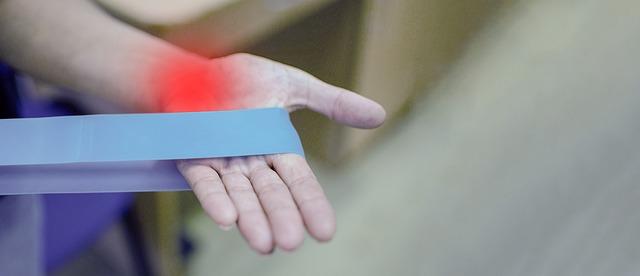
Diagnosing patients with overlapping syndromes presents a unique set of challenges that require a nuanced understanding of their individual characteristics.In the case of Möbius Syndrome, characterized primarily by facial paralysis and ocular abnormalities, the potential overlap with Poland Syndrome complicates clinical evaluations. both syndromes can present with congenital muscular deficiencies, yet they are fundamentally different in etiology and manifestation. When faced with such a case, it becomes essential to consider a comprehensive diagnostic approach that includes:
- Clinical History: A thorough review of the patient’s medical and family history to identify patterns of syndromic manifestations.
- Physical Examination: Detailed assessment focusing on craniofacial structures, limb formation, and respiratory function.
- Imaging Studies: Utilization of MRI and X-rays to evaluate bone and muscle development.
further complicating the diagnostic landscape is the potential for patients to present atypical features that blur the lines between recognized syndromes.The overlapping physical traits can lead to misdiagnosis or delayed recognition, impacting timely intervention strategies. Multidisciplinary collaboration is crucial in these cases, involving specialists from genetics, pediatrics, and rehabilitation to devise a unified treatment plan. incorporating genetic testing can also provide valuable insights,particularly when distinguishing between syndromes with shared clinical features. In the following table, we summarize some key differentiating features of Möbius and Poland syndromes:
| Feature | Möbius Syndrome | Poland Syndrome |
|---|---|---|
| Facial Paralysis | Common | Rare |
| Upper Limb anomalies | Occasional | Common |
| Ocular Defects | Common | Uncommon |
| Chest Wall Deformities | Rare | Common |
Treatment Approaches and Management Strategies
The management of Möbius syndrome,particularly in cases with possible Poland syndrome overlap,demands a multifaceted approach tailored to the unique presentation of the patient. Early intervention is crucial, focusing on both rehabilitative therapies and surgical options when appropriate. A combination of the following strategies can significantly improve quality of life and functional outcomes:
- physical therapy: Enhances motor skills and may address issues related to limb function.
- Speech and occupational therapy: Essential for communication and daily living skills, particularly when craniofacial anomalies are present.
- Surgical interventions: Corrective procedures can be considered for facial asymmetry or limb abnormalities, tailored to the patient’s specific needs.
- Psychosocial support: Vital for coping with the challenges associated with these syndromes, fostering resilience in both patients and families.
A multidisciplinary team is paramount in the ongoing management of affected individuals, including specialists from pediatrics, genetics, plastic surgery, and psychology. Regular follow-ups and assessments should guide treatment adjustments, ensuring that the evolving needs of the patient are met. table 1 summarizes key roles within the multidisciplinary team:
| Specialist Type | Role |
|---|---|
| Pediatrician | Provides general health oversight and developmental assessments. |
| Geneticist | Offers genetic counseling and assesses risk factors. |
| Plastic Surgeon | Addresses cosmetic and functional issues through surgery. |
| Speech Therapist | Implements strategies to improve communication skills. |
| Psychologist | Provides emotional support and guidance for coping strategies. |
Recommendations for Future Research and Clinical Practice

Future investigations into the complexities of Möbius Syndrome, particularly in conjunction with poland Syndrome, should focus on the genetic and environmental factors that may contribute to these conditions. Understanding the pathways involved in craniofacial and limb development will be essential. Researchers are encouraged to explore the following areas:
- Genetic Mapping: Conduct gene sequencing studies to identify potential mutations and familial correlations.
- Longitudinal Studies: Implement long-term follow-up of individuals with overlapping symptoms to track outcomes and treatment efficacy.
- patient Registries: Establish comprehensive databases for better epidemiological understanding and resource allocation.
From a clinical practice outlook, multidisciplinary collaboration is vital for the holistic management of patients exhibiting both Möbius and Poland syndromes. Clinicians should consider the integration of therapeutic approaches that address the multifaceted nature of these syndromes, as illustrated in the following table:
| Aspect of Care | Recommended Practices |
|---|---|
| Neurological Assessment | Regular neurological evaluations and early intervention strategies. |
| Speech Therapy | Tailored speech and communication therapy to improve outcomes. |
| Physical Therapy | Customized rehabilitation programs focusing on mobility and strength. |
| Psychosocial Support | Access to psychological counseling and community resources. |
To Wrap It Up
the case report of Möbius syndrome with a possible overlap of Poland syndrome highlights the complexity and variability of congenital disorders. By documenting and analyzing the intricacies of this dual presentation, we contribute to the broader understanding of these rare conditions and their potential co-occurrence. This case underscores the importance of comprehensive evaluations and interdisciplinary approaches in diagnosis and management. As we continue to unravel the genetic and developmental mechanisms underlying such syndromes, further research will be essential in improving clinical outcomes and enhancing the quality of life for affected individuals. Continued collaboration among healthcare professionals will ensure that insights gleaned from case reports fuel advancements in both understanding and treatment, ultimately paving the way for improved care strategies in the field of genetic disorders.