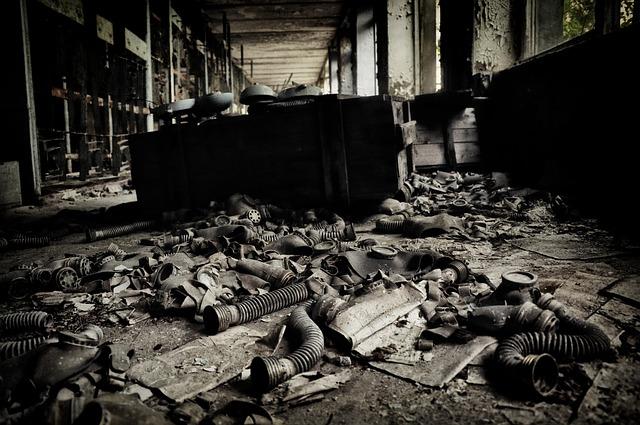
Forty years after the catastrophic explosion at the Chernobyl nuclear power plant, the voices of survivors and witnesses continue to be muted in Russia. Despite the enduring human and environmental consequences of the disaster, official narratives remain tightly controlled, limiting open discussion and critical reflection. This article explores how the legacy of Chernobyl is still being shaped by government censorship and the suppression of independent accounts, revealing a persistent struggle over memory and truth in the shadow of one of history’s worst nuclear accidents.
The Enduring Silence Surrounding Chernobyl Survivors
Decades after the catastrophic explosion, the voices of Chernobyl survivors remain notably muted amid Russia’s persistent control over narratives surrounding the disaster. Official channels often depict the aftermath with carefully curated messages, overshadowing the personal testimonies of those directly affected. This silence extends beyond censorship; it manifests as a deliberate erasure of suffering that refuses to fit the official script of resilience and recovery. Survivors face social stigma, restricted access to healthcare, and limited opportunities to speak openly, perpetuating a cycle of invisibility in a country still grappling with the legacy of nuclear fallout.
Key factors contributing to this enduring silence include:
- Government-sponsored misinformation campaigns
- Cultural stigmatization of radiation sickness and its victims
- Systematic underfunding of survivor support programs
- Media self-censorship influenced by political pressures
| Issue | Impact on Survivors | Government Response |
|---|---|---|
| Healthcare Access | Limited specialized treatment and support | Funding cuts, local clinic closures |
| Public Recognition | Low social awareness and acknowledgment | Minimal official commemoration events |
| Legal Rights | Restricted compensation claims | Complex bureaucratic barriers |
Government Control and Media Censorship in Post-Soviet Russia
In the decades following the Chernobyl disaster, the Russian government has maintained a firm grip over the information landscape, strategically controlling narratives surrounding the catastrophic event. Independent voices, including survivors and whistleblowers, have often found themselves marginalized or outright silenced, with state-run media presenting a sanitized or incomplete account of the aftermath. This media censorship serves not only to protect governmental interests but also to stifle public discourse on the long-term health and environmental impacts still felt today. Efforts to investigate and discuss the true extent of the disaster are frequently met with bureaucratic obstacles, legal intimidation, or the simple disappearance of key reports and eyewitness testimonies.
Despite the passage of 40 years, transparency remains elusive, and the official narrative is tightly curated. Critical information about radiation levels, ecological damage, and affected populations rarely breaches state-controlled outlets, forcing many activists and independent journalists to rely on underground publications or international platforms. The following table illustrates key indicators where Russian media coverage on Chernobyl contrasts sharply with findings from independent investigations:
| Topic | State Media Reports | Independent Findings |
|---|---|---|
| Radiation Exposure Levels | Minimized impact, localized zones | Widespread contamination beyond declared zones |
| Health Consequences | Limited cases reported, no ongoing crises | Long-term increase in cancer and genetic disorders |
| Government Accountability | Portrayed as effective crisis management | Documentation of cover-ups and negligence |
- Restricted access to disaster sites for foreign journalists and researchers.
- Legal actions against individuals publishing unsanctioned reports or testimonies.
- Systematic removal of archival materials related to Chernobyl from public repositories.
Advocating for Transparency and Support for Affected Communities
In the decades since the Chernobyl disaster, the affected communities have been subjected to a systematic erasure of their stories and struggles. Despite the magnitude of the catastrophe, official narratives have often downplayed the ongoing human and environmental toll. Transparency remains elusive, with critical data about radiation exposure and health impacts either withheld or obfuscated by authorities. Local voices calling for open dialogue and governmental accountability face censorship, limiting the public’s understanding and hindering efforts to address the disaster’s legacy with the urgency it demands.
Support for these communities goes beyond surface-level aid; it requires a sustained commitment to acknowledgment and empowerment. Grassroots organizations and international advocates emphasize the need for:
- Unrestricted access to accurate health and environmental data
- Comprehensive psychological and medical support programs
- Inclusive platforms where survivors can share their experiences
- Legal recognition of the rights of displaced and affected populations
The following table highlights key areas where increased transparency and support are urgently needed:
| Focus Area | Current Status | Needed Actions |
|---|---|---|
| Radiation Exposure Data | Limited public access | Open publication of monitoring reports |
| Health Services | Underfunded and patchy | Long-term, specialized care programs |
| Community Participation | Suppressed narratives | Platforms for survivor testimony |
| Legal Protections | Insufficient recognition | International human rights enforcement |
Insights and Conclusions
As four decades have passed since the Chernobyl disaster, the echoes of its impact continue to resonate-not only through the environment and public health but also within the realm of information and memory. Russia’s persistent efforts to control the narrative and suppress dissenting voices serve as a stark reminder that the story of Chernobyl is far from over. In grappling with this legacy, it remains crucial for journalists, historians, and the global community to insist on transparency and preserve the truth, ensuring that the lessons of Chernobyl are neither forgotten nor distorted.