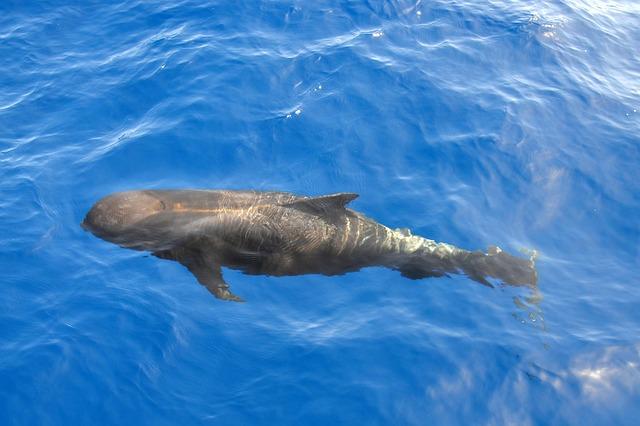
More than 125 pilot whales were killed in the first official hunt of 2026 in the Faroe Islands, continuing a controversial tradition that has drawn international criticism. The annual hunt, known locally as the grindadráp, involves driving pods of pilot whales into shallow bays where they are then slaughtered for their meat and blubber. Despite growing calls from environmental and animal welfare groups to end the practice, it remains a deeply entrenched cultural event for the islanders. This year’s hunt marks the earliest start to the season in recent years, raising renewed debates over the sustainability and ethics of the centuries-old tradition.
Pilot Whale Hunt Sparks Controversy Over Tradition and Conservation
The recent hunt in the Faroe Islands ended with the killing of over 125 pilot whales, igniting fierce debate among locals and international observers alike. Supporters defend the practice as a centuries-old tradition vital to the islands’ cultural heritage and community sustenance. They emphasize the regulated nature of the hunt, which is claimed to follow sustainable quotas designed to prevent long-term harm to whale populations. For the Faroese, the hunt not only provides food but also strengthens communal bonds through shared participation and collective responsibility.
Conversely, conservationists and animal rights groups have condemned the event, urging immediate international intervention to protect marine biodiversity. Key concerns include:
- Population impact: Potential depletion of local pilot whale stocks affecting ecosystem balance.
- Ethical considerations: The methods used and the welfare of the animals during the hunt.
- Global spotlight: Increased media coverage fueling calls for policy reform on traditional hunts worldwide.
| Aspect | Perspective | Impact |
|---|---|---|
| Tradition | Preserved cultural practice | Social cohesion, cultural identity |
| Conservation | Protect marine species | Environmental sustainability |
| Public Opinion | Divided community & external pressure | Political and diplomatic tension |
Environmental Impact and Species Sustainability in the Faroe Islands
The recent hunt resulting in the killing of over 125 pilot whales has reignited concerns regarding the long-term environmental impact and sustainability of cetacean populations in the Faroe Islands. While the tradition, known locally as the grindadráp, has been practiced for centuries, modern conservationists warn that increasing annual quotas and unregulated hunts could jeopardize the delicate marine ecosystem balance. The removal of such a significant number of apex predators can disrupt food chains, affecting fish populations and the overall health of ocean habitats surrounding the islands.
Scientific studies emphasize the need for continuous monitoring and adaptive management plans to ensure the sustainability of pilot whale populations. Key factors currently under evaluation include:
- Population regeneration rates post-hunt
- Impact on local biodiversity and marine food webs
- Long-term genetic diversity of whale pods
- Climate change effects on migratory and breeding patterns
The Faroese government has expressed intentions to collaborate with international marine biologists to improve conservation strategies while respecting cultural heritage. Below is a snapshot of recent pilot whale population estimates compared with harvest numbers in the past five years:
| Year | Estimated Population | Pilot Whales Harvested | Percentage Removed |
|---|---|---|---|
| 2022 | 4,500 | 100 | 2.2% |
| 2023 | 4,300 | 110 | 2.6% |
| 2024 | 4,250 | 115 | 2.7% |
| 2025 | 4,200 | 120 | 2.9% |
| 2026 | 4,150 | 126 | 3.0% |
Calls for Stricter Regulations and Alternative Practices to Protect Marine Life
Environmental organizations and marine conservationists have intensified their calls for more stringent rules governing the annual whale hunt in the Faroe Islands, following the recent slaughter of over 125 pilot whales. Critics argue that existing regulations are outdated and lack effective enforcement mechanisms, allowing the hunt to continue with minimal oversight. They emphasize the urgent need for comprehensive policies that prioritize the protection of vulnerable cetacean populations and promote the use of sustainable, non-lethal alternatives. Among the measures proposed are:
- Introduction of strict quota systems based on scientific population assessments
- Implementation of advanced monitoring technologies to ensure compliance
- Legal penalties for illegal hunting activities and environmental damage
- Promotion of eco-tourism and education as alternatives to whaling
Supporters of the hunt maintain cultural traditions, but many international voices now advocate for replacing this practice with humane alternatives that do not threaten marine biodiversity. Calls ramp up for a shift towards a conservation-focused approach, integrating community involvement and sustainable economic opportunities. The following table summarizes key differences between current practices and proposed alternatives:
| Aspect | Current Practice | Proposed Alternative |
|---|---|---|
| Method | Mass hunting | Non-lethal monitoring |
| Impact | High mortality | Population preservation |
| Community Benefit | Food source | Eco-tourism revenue |
| Regulation | Minimal enforcement | Strict scientific oversight |
Concluding Remarks
The first pilot whale hunt of 2026 in the Faroe Islands has resulted in the deaths of more than 125 whales, sparking renewed debate over the controversial practice. While supporters argue the hunt is a cultural tradition and a source of sustainable food, opponents continue to call for an end to the killings, citing animal welfare and conservation concerns. As the annual grindadráp continues, the international community remains divided on the future of this longstanding but contentious practice.