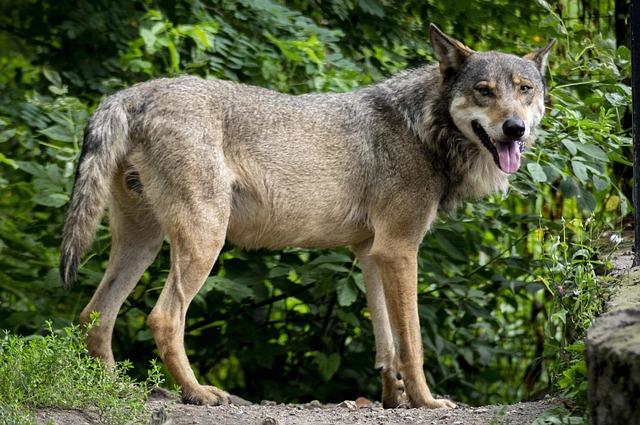
Genetic monitoring of wolf populations in Romania’s Southern Carpathians has revealed a troubling decline, according to recent findings reported by romania-insider.com. Researchers tracking the elusive carnivores through DNA analysis warn that the decrease in numbers could have significant ecological repercussions for the region. The study highlights the urgent need for enhanced conservation efforts to protect one of Europe’s most iconic predators in its natural habitat.
Declining Wolf Numbers Revealed by Genetic Monitoring in Southern Carpathians
Recent genetic analyses conducted in the Southern Carpathians reveal a concerning trend: the wolf population is undergoing a significant decline. Utilizing non-invasive sampling techniques, researchers collected DNA from scat and hair samples across multiple territories to assess the current genetic diversity and population size. Results indicate a reduction not only in the number of individuals but also in genetic variation, which could undermine the species’ long-term resilience to environmental pressures and diseases.
Conservation experts highlight several potential factors contributing to this downward trend:
- Habitat fragmentation due to increasing human infrastructure.
- Illegal poaching despite ongoing protection efforts.
- Conflicts with livestock farmers leading to retaliatory killings.
- Limited prey availability, forcing wolves into riskier hunting grounds.
The findings underscore the urgent need for enhanced management strategies focused on habitat connectivity, stricter law enforcement, and community-based initiatives to mitigate human-wildlife conflicts. Without swift action, the genetic health and viability of wolves in this iconic mountain range remain at serious risk.
| Genetic Indicator | 2015 | 2023 |
|---|---|---|
| Estimated Population | 150 individuals | 95 individuals |
| Heterozygosity Rate | 0.65 | 0.48 |
| Detected Packs | 12 | 7 |
Key Factors Driving Population Decrease in Romania’s Wolf Packs
Recent genetic surveys have uncovered alarming declines in Romania’s wolf populations, pinpointing several critical drivers behind this trend. Habitat fragmentation caused by expanding agricultural activities and infrastructure development has severely restricted pack territories, reducing gene flow and increasing vulnerability to inbreeding. Moreover, illegal poaching remains a persistent threat, exacerbating pressure on already shrinking populations. These factors combine to create isolated wolf groups struggling to maintain sustainable numbers across the Southern Carpathians.
Additional elements compounding the decrease include:
- Human-wildlife conflicts: Livestock predation often leads to retaliatory killings by local farmers.
- Climate change impacts: Shifts in prey availability disrupt natural hunting patterns.
- Disease outbreaks: Pathogens affecting both wolves and their prey species reduce survival rates.
- Limited dispersal corridors: Physical barriers inhibit natural migration and genetic exchange.
| Factor | Impact | Conservation Priority |
|---|---|---|
| Habitat Fragmentation | High | Critical |
| Illegal Poaching | Severe | Urgent |
| Human-Wildlife Conflict | Moderate | High |
| Disease | Low | Medium |
| Climate Change | Emerging | Emerging |
Conservation Experts Call for Enhanced Protection and Habitat Restoration Measures
Conservation specialists are sounding the alarm over the recent genetic data revealing a notable decline in the wolf population in Romania’s Southern Carpathians. The findings underscore the urgent need for strengthened legal frameworks and practical interventions to safeguard this keystone species. Experts emphasize that without immediate action, habitat fragmentation and human-wildlife conflicts will continue to accelerate the population decrease, undermining regional biodiversity and ecosystem stability.
Among the proposed measures, the following stand out as critical for revitalizing wolf populations:
- Enhanced anti-poaching enforcement with increased surveillance and community engagement
- Habitat restoration projects focusing on reforestation and wildlife corridors
- Public awareness campaigns aimed at reducing negative perceptions and promoting coexistence
- Genetic monitoring programs expanded to track population dynamics and genetic diversity
| Key Metric | 2015 | 2023 | Change |
|---|---|---|---|
| Estimated Wolf Packs | 45 | 32 | -29% |
| Genetic Diversity Index | 0.72 | 0.58 | -19% |
| Number of Human Conflicts | 12 | 27 | +125% |
The Way Forward
The recent genetic monitoring study sheds critical light on the declining wolf population in Romania’s Southern Carpathians, underscoring urgent conservation challenges ahead. As pressures from habitat loss and human activity continue to mount, experts emphasize the need for coordinated efforts to protect these apex predators and preserve the region’s delicate ecological balance. Ongoing research and increased awareness will be vital to ensuring the survival of wolves in this key biodiversity hotspot.