Tallinn – In a recent statement addressing regional security concerns, Estonia’s Defense Minister asserted that the Gulf of Finland has not become more dangerous despite heightened geopolitical tensions in the Baltic region. Speaking to the press, the minister emphasized the stability of maritime conditions and highlighted ongoing efforts to maintain vigilance and cooperation among Baltic states. This reassurance comes amid increased military activity and strategic posturing by neighboring powers, underscoring Estonia’s commitment to ensuring the security of its territorial waters and adjacent sea lanes.
Estonian Defense Minister Assures Stability Amid Rising Regional Tensions
The Estonian Defense Minister emphasized that despite growing geopolitical frictions, the Gulf of Finland remains stable and secure. Addressing concerns related to recent military activities in the area, the minister highlighted ongoing cooperation with NATO allies and regional partners to maintain vigilance and transparency. Notably, Estonia continues to advocate for diplomatic dialogue while reinforcing its own defensive capabilities, ensuring that any escalation is carefully managed and contained.
- Regular joint military exercises with Baltic and Nordic countries to enhance readiness
- Increased surveillance and reconnaissance missions across the Gulf of Finland
- Strengthened maritime security protocols to safeguard commercial routes
- Active diplomatic engagements focused on conflict prevention and regional stability
| Key Measures | Purpose | Status |
|---|---|---|
| Enhanced NATO Patrols | Deterrence and rapid response | Ongoing |
| Cybersecurity Upgrades | Protect critical infrastructure | In progress |
| Information Sharing Networks | Improve situational awareness | Implemented |
Analysis of Security Measures in the Gulf of Finland to Maintain Maritime Safety
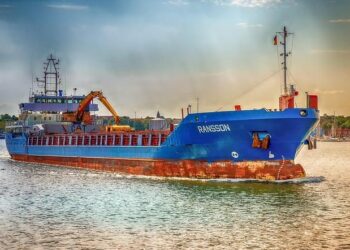
The Gulf of Finland continues to be a focal point for regional maritime security, with Estonian authorities emphasizing robust measures to ensure the stability of the shipping lanes. Despite geopolitical tensions in the Baltic region, recent statements from the Estonian Defense Minister underline that the area’s security environment has not deteriorated. Key efforts include enhanced naval patrols, real-time surveillance technology upgrades, and coordinated multilateral exercises among Baltic states, all aimed at maintaining safe navigation and deterring potential threats.
Critical components of the security framework include:
- Deployment of coastal radar systems for 24/7 maritime monitoring
- Joint maritime drills involving Estonian, Finnish, and Swedish navies
- Implementation of advanced communication protocols to prevent misunderstandings at sea
- Strict control over maritime traffic via electronic identification systems
| Security Measure | Status | Impact |
|---|---|---|
| Naval Patrol Frequency | Increased by 15% | Improved deterrence |
| Surveillance Technology | Upgraded in 2023 | Enhanced real-time tracking |
| Joint Military Exercises | Quarterly | Strengthened regional cooperation |
Experts Recommend Enhanced Multinational Cooperation and Intelligence Sharing
Security experts emphasize the urgency of bolstering multinational coordination to address evolving regional challenges effectively. Enhanced cooperation among Baltic states, Nordic countries, and NATO allies is seen as pivotal in maintaining stability and deterring potential provocations in critical maritime zones. Intelligence sharing, in particular, has been highlighted as a cornerstone for preemptive response strategies, enabling stakeholders to identify and neutralize threats well before they escalate.
Key recommendations from defense analysts include:
- Establishing routine joint exercises focused on rapid information exchange and operational readiness.
- Developing secure communication channels tailored to the sensitive nature of shared intelligence.
- Integrating advanced surveillance technologies to provide real-time situational awareness across borders.
| Cooperation Area | Primary Benefit |
|---|---|
| Joint Military Drills | Enhanced interoperability and quick response |
| Intelligence Fusion Centers | Streamlined threat analysis and dissemination |
| Cybersecurity Collaboration | Protection against digital espionage and attacks |
In Retrospect
In conclusion, Estonian Defense Minister’s remarks underscore a steady security environment in the Gulf of Finland, despite regional tensions. While vigilance remains a priority for Baltic states, current assessments suggest the area has not experienced an increase in danger. Observers will continue to monitor developments closely as geopolitical dynamics evolve in the region.