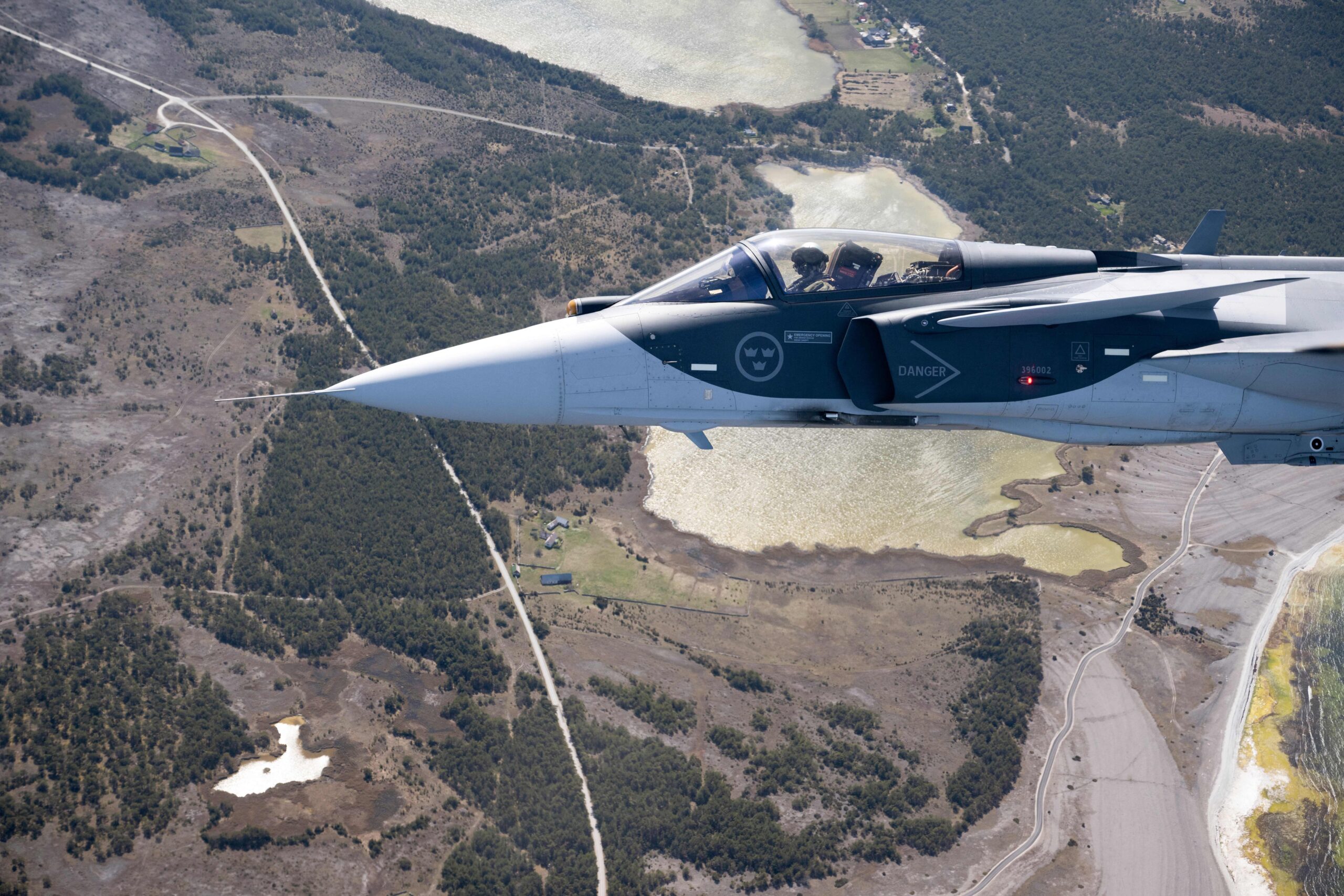
As geopolitical tensions escalate in Eastern Europe, the Baltic Sea has emerged as a focal point for NATO’s strategic considerations. The region, characterized by its unique geographical position and historical meaning, faces numerous challenges, including aggressive posturing from Russia, fluctuating alliances, and threats to maritime security.In this context, the Hudson Institute calls for a reevaluation of NATO’s strategy in the Baltic sea. This article delves into the current geopolitical landscape, examines the implications of existing defense frameworks, and highlights the urgent need for a coherent and proactive strategy that not only addresses immediate threats but also promotes long-term stability and resilience in this vital region. As the alliance grapples with the complexities of modern warfare, understanding the dynamics of the Baltic Sea becomes paramount for ensuring the security and unity of its member states.
Revitalizing Deterrence: Enhancing NATO’s Military Posture in the Baltic Sea
NATO’s presence in the Baltic Sea region must undergo a thorough evolution to effectively counter the increasingly assertive posture of potential adversaries. A revitalized military strategy should focus on the integration of rapid response units and advanced technology to enhance situational awareness and deterrence capabilities. Key components of this strategy may include:
- Enhanced Forward Presence: Strengthening the deployment of multinational battlegroups across Estonia, Latvia, Lithuania, and Poland to provide a robust deterrent against hybrid threats.
- Joint Exercises: Increasing the frequency and complexity of joint military exercises among member states to test interoperability and readiness.
- Advanced Surveillance Systems: Investing in next-generation radar and drone technologies to monitor and secure air and maritime domains effectively.
Moreover, to support these initiatives, NATO must foster greater cooperation with regional partners and invest in infrastructure to facilitate rapid troop movements. A proactive investment in naval assets, including submarines and coastal defense systems, would provide a strategic edge in responding to potential aggressions.The table below outlines essential elements that should be prioritized in the NATO strategy for the Baltic Sea:
| Element | Description |
|---|---|
| Rapid Response Units | Mobilize specialized forces within 48 hours for immediate deployment. |
| Cyber Defense Initiatives | Enhance capabilities to protect critical infrastructure from cyber threats. |
| integrated Logistics Framework | Develop a streamlined supply chain for efficient military resource distribution. |
Strengthening Regional Partnerships: Collaborating with Nordic and Baltic Nations
In the dynamic geopolitical landscape of the Baltic Sea region, fostering robust alliances with Nordic and Baltic nations is pivotal for NATO’s strategic objectives. Collaborative initiatives can fortify collective security, enhance military capabilities, and ensure a unified response to emerging threats. By leveraging the unique strengths of each nation, NATO can create a resilient security architecture that not only deters aggression but also promotes regional stability. Key areas of collaboration include:
- Joint military Exercises: Conducting regular drills to improve interoperability among forces.
- Intelligence Sharing: Establishing real-time data exchange mechanisms to enhance situational awareness.
- Cybersecurity Cooperation: Implementing joint strategies to combat cyber threats and protect critical infrastructure.
- Infrastructure Progress: Investing in ports and bases to improve logistical capabilities across the region.
additionally, NATO’s partnerships with missions in the region can be strengthened through tailored programs aimed at addressing specific vulnerabilities faced by individual nations. For instance, a focused approach to maritime security could be established with Estonia, while a more comprehensive defense strategy can be developed with Finland, which boasts a robust military tradition and vast strategic terrain. The following table outlines potential partnerships and their strategic focus:
| Country | Strategic Focus |
|---|---|
| Finland | Defense strategies and territory collaboration |
| sweden | Joint air defense initiatives |
| Estonia | Cybersecurity and information sharing |
| Latvia | Logistical support and infrastructure upgrades |
| Lithuania | Troop integration and rapid response applications |
Innovating Maritime Security: Addressing New Threats and Hybrid Warfare
The evolving landscape of maritime security in the Baltic Sea necessitates a robust response to emerging threats that go beyond traditional military engagements. The growing presence and activities of hybrid warfare, characterized by the blend of conventional and irregular tactics, have underscored the urgency for NATO to recalibrate its strategic approach. Naval power is no longer solely a matter of fleet size or armaments; it involves the integration of advanced technologies, cyber capabilities, and collaboration with regional partners to monitor and counteract potential aggressor movements. Enhanced intelligence-sharing and joint exercises are critical to establish a proactive defense posture, taking into account not just naval platforms, but also the threats posed by submersible drones and cyber-attacks that target critical maritime infrastructure.
Furthermore, addressing these hybrid challenges requires a comprehensive framework that includes diplomatic, informational, military, and economic dimensions. Engaging non-military stakeholders, such as environmental organizations and shipping industries, can strengthen resilience against clandestine operations that undermine maritime stability. NATO’s emphasis on multidomain operations should incorporate partnerships with Baltic nations to foster resilience, adaptability, and preparedness among those directly affected by maritime threats. Collaborative training programs focused on hybrid conflict scenarios will empower member states to detect and neutralize risk before it escalates into full-blown confrontation.
Boosting Resilience: Infrastructure and Cybersecurity Priorities for Coastal States
As coastal states confront an increasingly volatile geopolitical landscape, enhancing infrastructure and cybersecurity is critical for shorelines that lie on the front lines of potential conflicts. Investment in lasting and resilient infrastructure—such as roads, bridges, and ports—plays a vital role not only in military readiness but also in economic stability and disaster response.As an example, modernizing shipping lanes can expedite military logistics during crises, while also benefiting commercial trade. Coastal states need to prioritize projects that integrate both civilian and defense needs, ensuring that infrastructure can withstand climate impacts and remains operational during heightened tensions.
Equally important is the fortification of cybersecurity systems across coastal regions, where the convergence of technology and defense is becoming increasingly essential. Cyber threats can compromise both civilian utilities and military operations, creating vulnerabilities that adversaries can exploit. Coastal states must focus on collaborative cybersecurity initiatives, establishing frameworks that enhance the resilience of critical infrastructure against cyber-attacks. This entails not only governmental action but also strong partnerships with private sector entities and technological firms. Together, they can develop robust systems such as:
- Real-time threat monitoring: Implementing AI-driven solutions to detect and mitigate cyber threats swiftly.
- Public-private partnerships: Collaborating with tech firms to strengthen defenses against emerging threats.
- Cybersecurity training programs: Providing education and resources to local governments and businesses on best practices.
In Retrospect
as the geopolitical landscape continues to evolve, NATO’s strategic focus on the baltic Sea has never been more critical. The challenges posed by regional tensions and emerging threats require a reassessment of defense strategies and an enhanced collaborative approach among member nations. A comprehensive strategy that prioritizes deterrence,bolsters regional partnerships,and addresses cybersecurity vulnerabilities is essential to safeguarding Baltic security and ensuring the stability of NATO as a whole.As the Hudson Institute’s analysis underscores,proactive measures and adaptive responses will be paramount in navigating the complexities of this vital maritime region. Moving forward,it is indeed imperative for NATO to lead with unity and foresight,ready to confront the multifaceted risks that lie ahead in the Baltic Sea arena.